by Dr. Vesna Jenkins, Global Product Manager Silage Inoculants, EW Animal Care
Our BioStabil research proves it’s not just possible – it’s happening right now on farms using our solutions.
We recently participated at the 20th International Silage Conference in Florida, US, where silage hygiene took center stage – highlighting its vital role in supporting animal health and boosting productivity. Our research results are more relevant than ever as the industry increasingly recognizes the critical connection between silage quality and farm profitability. Our data reveals some impressive results that could transform how you approach silage management.

Clean Silage = Healthy Cows + Higher Milk
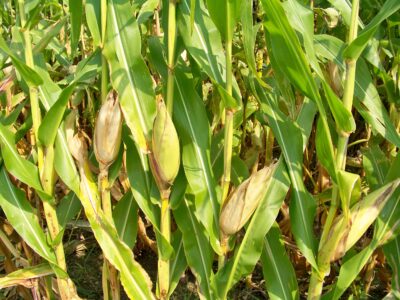
As maize silage season approaches, it is time to think not only about yield but also about hygiene. Poorly fermented or spoiled silage costs money twice: first through feed losses, and again through reduced animal performance and health issues.

Why Inoculation Pays Off
A trial with BioStabil Mays inoculant in maize silage (Mueller et al., 2022) showed:
- Less spoilage – yeast and mold reduced, aerobic stability extended.
- More milk energy – cows produced +1.1 kg/day fat-corrected milk.
- Better udder health – somatic cell counts dropped by 26%.
- Less loss, more energy – dry matter losses reduced by 41%, energy content higher.
Results in Practice
Inoculant keeps silage cool and stable for longer

Cleaner silage supports lower somatic cell counts.

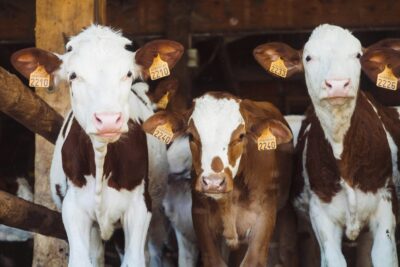
Cows fed inoculated silage delivered more fat-corrected milk.